Recent Post

Creative Ways To Make Prize Events More Interactive ...
Organizing a promotional campaign requires more than simply offering high-value items to a passive crowd. Modern audiences demand active involvement and dynamic experiences that transform standard drawings into memorable entertainment milestones. By shifting focus toward layered engagement, brands can build stronger community connections and keep participants genuinely interested.
Integrating Real Time Gamification Elements
Static entry systems often fail to capture sustained interest because they lack immediate feedback loop mechanisms. Introducing live mini-challenges or interactive trivia during the entry phase gives participants an instant sense of achievement. This approach keeps users actively invested in the event outcome rather than simply submitting a form and walking away.
Furthermore, event managers can implement progression tracking systems to show participants how their actions impact their winning odds. When individuals see their efforts visualize on a leaderboard, their internal motivation to participate increases significantly. This extra layer of competition turns a simple giveaway into a vibrant community gathering.
Utilizing Multisensory Digital Portals
The visual framework used to present giveaways heavily influences how the community perceives the entire brand ecosystem. Platforms that rely on modern interactive graphics can elevate the suspense of a final drawing to new heights. Incorporating countdown timers and sudden visual reveals makes the climax feel much more substantial and satisfying for everyone watching.
Many forward thinking platforms use optimized entry hubs to ensure seamless user transitions across different promotional channels. For instance, players seeking continuous access to digital entertainment portals often utilize the link m88 terbaru hari ini to explore modern interactive frameworks. Providing clean, reliable access points helps reduce user friction and guarantees high engagement levels throughout the lifecycle of the campaign.
Fostering Collaborative Community Milestones
Individual competitions are exciting, but collective goals can inspire an entirely different level of audience participation. Setting up community wide milestones where unlocking grand prizes depends on total group registrations encourages organic word of mouth sharing. Participants naturally become advocates for the event, inviting friends to maximize their collective rewards.
This cooperative structure shifts the focus from simple isolation to a highly connected social experience. As the community works together toward a shared objective, a unique form of digital camaraderie begins to develop. The resulting social buzz helps sustain event momentum long after the initial announcement phase has concluded.
Designing Tiered Surprise Rewards
Offering a single grand prize can discourage casual participants who feel their personal odds are statistically negligible. A more balanced allocation methodology involves distributing multiple tiers of smaller unexpected gifts alongside the main incentive. This structural variety ensures that everyday players remain motivated, knowing that a smaller surprise drop is achievable at any moment.
Varying the format of these surprise distributions prevents the engagement loop from becoming formulaic or predictable over time. When an interactive system regularly modifies its reward presentation, consumer curiosity remains consistently high. Ultimately, this balanced blend of anticipation and fair allocation forms the foundation of sustainable audience loyalty.

What Beginners Should Know About Traditional Banker Responsibilities ...
The history of classic tabletop games reveals a deep reliance on human management and distinct personal accountability before automated software systems standardized modern entertainment operations. Exploring how early gaming salons distributed crucial operational roles provides beginners with valuable insights into the traditional mechanics that originally defined high-stakes table interaction across European history.
The Core Meaning of Shifting Table Authority
In the foundational years of early casino card games, the role of the banker was not a permanent fixture managed by a corporate institution. Instead, this dynamic position was treated as a distinct privilege that rotated among active participants or was assumed by a singular individual willing to fund the table wagers. This decentralized architecture fundamentally altered the social environment of the room, turning a simple comparison of numerical card values into an intense psychological contest.
Newcomers studying these historic customs will find that holding the bank required substantial manual oversight and complete financial responsibility for covering all active bets. Unlike modern formats where players simply select pre-determined outcomes, traditional bank holders directly faced the collective capital of the remaining participants. This active structural framework fostered a highly collaborative community atmosphere where physical position and personal choice carried immense weight.
How Regional Salons Refined Operational Guidelines
As traditional card games traveled through prominent European capital cities, nineteenth-century French gaming clubs introduced specific behavioral codes to regulate table interactions. Elegant variants such as Baccarat Banque and Chemin de Fer were carefully designed around these active player responsibilities, allowing participants to make critical drawing decisions. This structural design granted seasoned tactical thinkers the freedom to evaluate their direct opponents through close observation rather than relying entirely on statistical distribution models.
Over several generations, these complex manual systems gradually transitioned into highly streamlined digital layouts built for maximum transaction velocity and universal accessibility. Modern gaming enthusiasts looking to explore the contemporary evolution of these traditional table formats can easily visit m88 malaysia to experience a diverse array of interactive platform variants. This digital environment successfully preserves the core card-comparing values while utilizing automated operational systems to manage the underlying calculation procedures instantly.
The Enduring Mathematical Tension of Legacy Games
Uncovering the historic origins of banking privileges reveals how foundational mathematical concepts of risk management have remained remarkably consistent across different gaming eras. While the visual interfaces and institutional frameworks have modernized completely, the core psychological pressure of accumulating natural card totals remains unchanged. This timeless combination of direct human interaction and rigorous probability continues to capture global interest among strategic table game lovers.
Ultimately, a proper understanding of traditional banker responsibilities reminds modern beginners that early card games functioned primarily as shared social rituals. Recognizing this historical evolution from player-controlled funds to centralized corporate dealers provides a much deeper appreciation for every round dealt at a contemporary casino table. By studying these legacy customs, new players acquire a comprehensive perspective on the sophisticated cultural heritage of global entertainment.
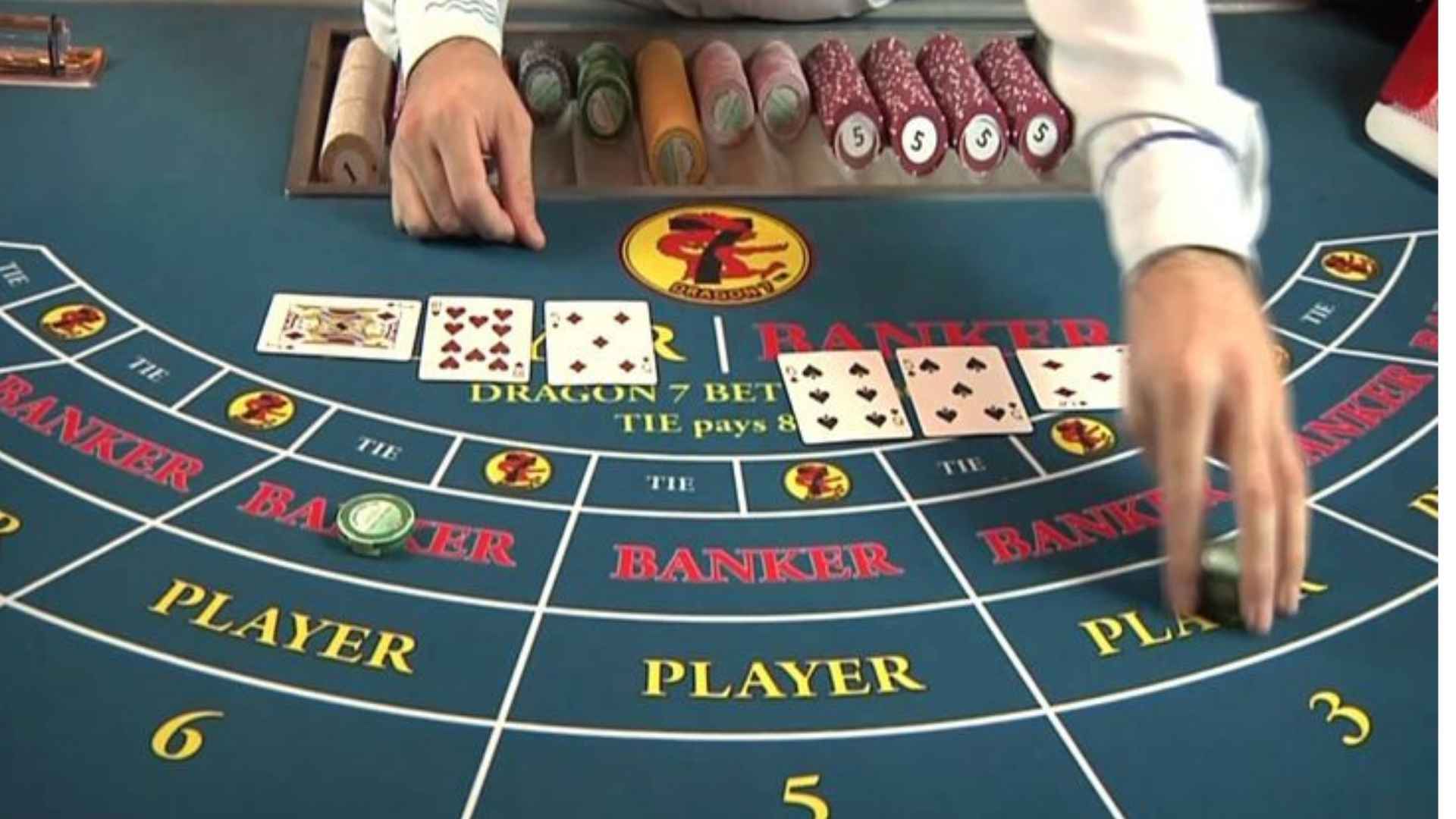
Why People Keep Spinning Even After Getting The Result They Wanted ...
When people use interactive decision tools or digital randomizers, a curious phenomenon often occurs. Even after the wheel stops on the exact answer they hoped for, many users immediately hit the spin button again. Understanding this behavioral habit requires looking into human psychology, subconscious desires, and digital feedback loops.
The Psychological Need for Validation
Getting a preferred outcome on the first attempt can sometimes feel like an accident or an easy coincidence. Repeating the spin allows the brain to confirm whether the initial choice was truly meant to be or just pure luck. This search for validation often reveals that individuals already knew what they wanted before making the choice.
When a random selection tool confirms our hidden preference, we feel a brief sense of reassurance. Repeating the action gives us another moment to experience that emotional alignment, reinforcing our confidence in the final decision.
The Thrill of Visual Motion and Anticipation
Digital spinning wheels rely on fluid animations and visual deceleration that naturally capture human attention. The period of waiting while the pointer slows down releases dopamine in the brain, creating a minor sense of excitement regardless of the result. Users often repeat the action simply to re-experience that pleasant sensory buildup.
Online platforms frequently optimize these dynamic elements to make casual interactions feel lively and enjoyable. Users exploring tools through services like wd boss login often notice how simple visual mechanics keep audiences engaged over extended sessions. The motion itself becomes an entertaining ritual that goes beyond basic problem-solving.
Testing the Limits of System Fairness
Another reason people continue spinning is a natural human curiosity regarding probability and system mechanics. Skeptical users like to test whether a digital randomizer is genuinely unbiased or following a pre-programmed pattern. Spinning multiple times provides a quick informal experiment to see if other outcomes will appear.
This testing behavior helps individuals build trust in the tool they are using. Once they observe a variety of results across consecutive attempts, they feel more comfortable relying on the platform for future casual choices.
Overcoming Hidden Hesitation and Choice Fatigue
Sometimes, landing on a desired outcome still leaves a minor trace of doubt or hesitation. Continuing to spin gives the user extra time to process their decision without feeling rushed. It serves as a brief buffer period that postpones committing to the next real-world action.
By treating the process as a lighthearted game, individuals reduce the pressure associated with everyday choices. Repeated spins transform routine decision-making into a relaxing activity that eases cognitive fatigue.
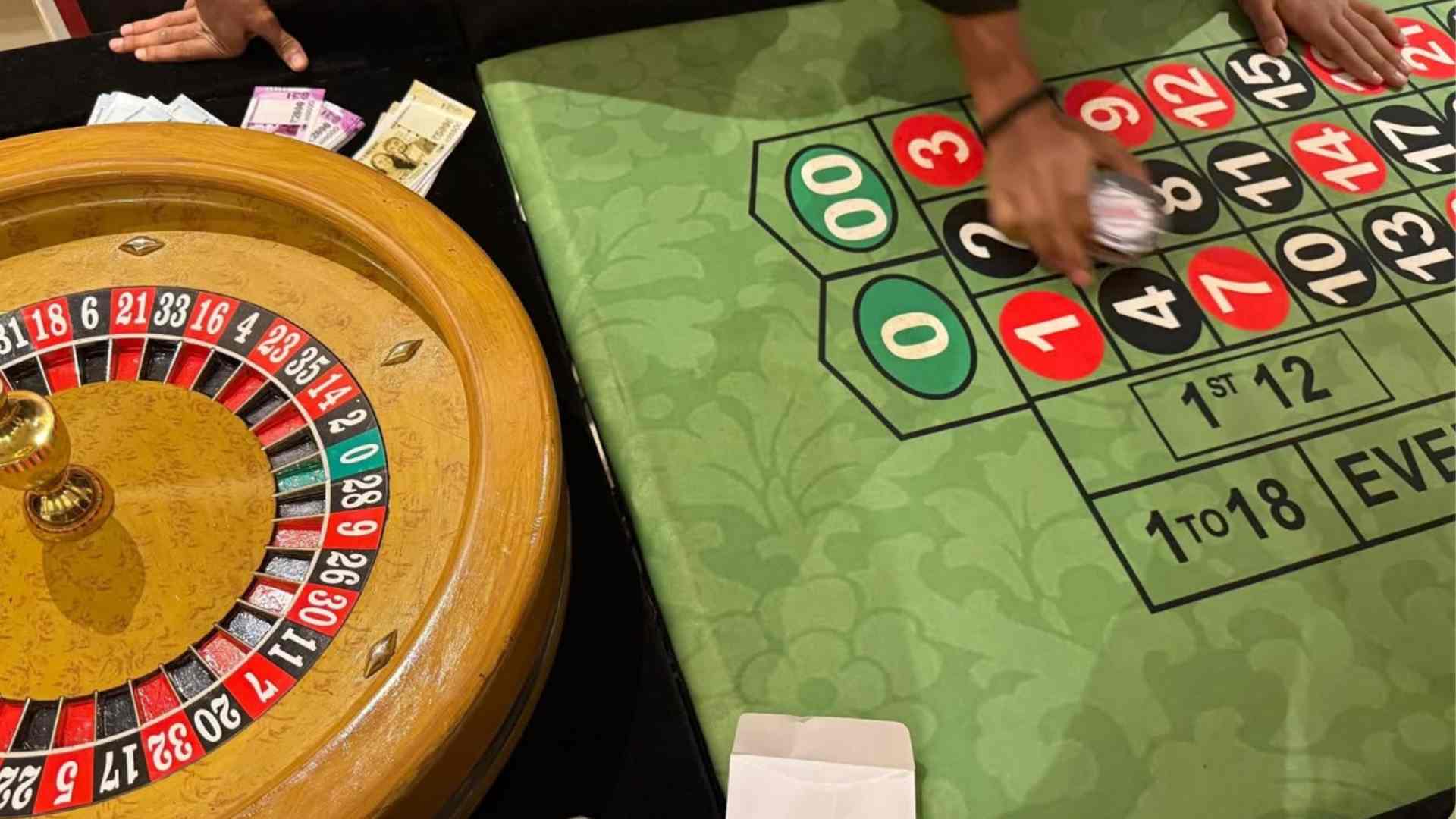
How To Steal The Idol In BG3 ...
In Baldur's Gate 3, the Emerald Grove is home to a powerful artifact known as the Idol of Silvanus, which grants a passive buff to anyone nearby. Snatching this ancient relic is a tempting prospect for many players, but doing so thoughtlessly can trigger a bloody civil war between the resident druids and the vulnerable tiefling refugees. Successfully orchestrating this high-stakes heist requires a blend of narrative progression, tactical spacing, and precise magical intervention to ensure your party leaves with the prize unscathed.
Exposing the Shadow Druids to Halt the Ritual
Before making any physical attempt on the artifact, players should strongly consider investigating the underlying political tension within the grove. Locating Kagha's hidden chest reveals a secret alliance with the Shadow Druids that can be leveraged to halt the ongoing ritual permanently. Exposing this corruption removes the immediate threat of a localized war, making it significantly safer to navigate the area afterward.
Once the ritual is stopped, the druids will step away from their constant vigil surrounding the stone pedestal. This structural narrative shift dramatically lowers the immediate security presence, opening up perfect windows of opportunity for stealthy characters. Handling this quest first ensures that if your heist is eventually detected, the surrounding innocent factions will not pay the ultimate price.
Deploying Concealment Spells to Blind Witnesses
When you are ready to make a move on the relic, traditional line-of-sight mechanics present the biggest challenge to your party. Utilizing environmental manipulation spells such as Fog Cloud or Darkness directly over the pedestal is an exceptional way to completely blind the remaining guards. A high-dexterity rogue can step into the magical obscurity safely without triggering immediate suspicion from the nearby watchers.
It is vital to unchain your thief from the rest of the adventuring group before initiating the final interaction. While inside the dense cloud, switch to turn-based mode to gain total control over the action economy and prevent the AI from moving unexpectedly. This mechanical transition grants you the necessary tactical breathing room to pick up the object smoothly without immediate consequences.
Utilizing Mage Hand and Camp Teleportation
For players who prefer a completely hands-off approach, summoning a Mage Hand offers an incredibly useful alternative strategy. Players can conjure this invisible spectral entity from a safe distance and instruct it to physically shove or throw the relic toward an isolated corner of the map. By moving the object away from its highly monitored resting place, you can safely pick it up without associating your main character with the crime scene.
Another reliable trick involves exploiting the fast-travel mechanics immediately after the item enters your personal inventory. The moment your stealth character secures the relic, open the map interface and instantly send that specific hero back to your camp. This sudden tactical withdrawal clears the area before the local AI updates its tracking path, allowing the rest of your party to walk away completely free of guilt.
The Point Where Another Hand Stops Being Worth Playing ...
In competitive poker, knowing when to walk away from a deal is just as critical as knowing how to play your starting cards. Every decision carries a calculated cost, and continuously investing in a declining scenario quickly erodes your bankroll. Recognizing the exact moment a deal loses its strategic value separates consistent winners from players who gamble on hope.
Evaluating Relative Strength Against Board Texture
A starting holding that looks strong pre-flop can instantly lose its value when community cards hit the table. When the board presents severe threats like obvious flush or straight possibilities, continuing to invest becomes dangerous. Professional players constantly reassess their relative strength rather than clinging to initial hand rankings.
Understanding board texture helps you identify when your odds have collapsed beyond recovery. If multiple opponents display heavy aggression on a coordinated board, folding is often the most profitable decision. Cut your losses early instead of calling down marginal hands out of curiosity.
Understanding the Impact of Opponent Aggression
Opponent behavior provides clear indicators about whether continuing in a pot is mathematically sound. High-level pressure from cautious players usually signals extreme strength, rendering medium-tier holdings useless. Continuing to call heavy wagers without a nut draw or top set is a reliable way to bleed chips over time.
Players frequently access resources via link alternatif m88 to study tactical hand histories and refine their strategic discipline. Analyzing real-world scenarios highlights how over-calling against heavy aggression ruins win rates. Recognizing realistic opponent ranges tells you exactly when your hand is no longer worth playing.
The Danger of the Sunk Cost Fallacy
One of the hardest psychological hurdles in poker is abandoning a pot after you have already invested heavily. The sunk cost fallacy tricks players into believing that past chips justify future bad calls. However, chips previously committed to the pot no longer belong to you and should never dictate future choices.
Every street requires an independent calculation based strictly on pot odds and future equity. If the cost of calling outweighs your probability of winning, folding is the only logical action. Discipline lies in writing off previous bets to protect the remainder of your stack.
Factoring in Position and Stack Depth
Position dramatically alters the threshold of when a hand becomes unplayable. Acting last gives you crucial information, whereas playing out of position forces you to make blind decisions under continuous strain. A marginal hand played out of position often becomes a financial trap rather than an opportunity.
Stack depth also plays a pivotal role in deciding whether to continue or fold. When short-stacked, you cannot afford to call speculative bets that drain your remaining equity without strong draw potential. Aligning your hand selection with your position and stack size ensures long-term survival at the table.

Spider Man 2 Upper West Side Spider Bot Locations ...
Tracking down every hidden collectible in Marvel's Spider-Man 2 requires a keen eye and an understanding of New York City's vertical architecture. Among the various neighborhoods, the Upper West Side hides a handful of elusive Spider-Bots that emit a distinct pulsing audio cue when you get close. Locating these robotic arachnids is essential for players aiming to achieve one hundred percent completion and unlock special lore rewards.
The Dusk Spider Bot Near Central Park
The first mechanical insect to look out for is inspired by the classic Dusk storyline. To find this specific collectible, you need to head toward the eastern boundary of the district near Central Park. Look up at the high-rise residential buildings that line the park's edge to spot its colorful glow.
It is typically crawling along the upper side of a brick building near the roofline. You will need to utilize your web wings or swing from adjacent towers to gain enough altitude to collect it. Spotting the pinkish pulse from a distance will help you pinpoint the exact floor.
The Spider Man Noir Bot in the Southern Sector
Another highly sought-after prize in this area is the Spider-Man Noir variant. This bot is hidden in the southwestern portion of the neighborhood, closely positioned near the border of Hell's Kitchen. It clings to the walls of a massive concrete building structure.
Unlike other collectibles that sit near the absolute peak of skyscrapers, this one is positioned halfway up the tower facade. Players should look for the monochromatic color scheme that matches the famous alternate universe hero. Scaling the building or wall-running directly upward is the fastest way to grab it securely.
The Secret Secret Wars Bot on the Coastline
The final mechanical creature in this district draws inspiration from the legendary Secret Wars comic series. This collectible is located near the northwestern edge of the map, overlooking the Hudson River. It is positioned on a modern apartment complex featuring distinct architectural angles.
You can spot it crawling near the courtyard area framed by the surrounding structures. Tracking this down requires careful exploration of the building's metallic panels and glass windows. Once you collect this final piece, you will be much closer to completing the overarching scavenger hunt spanning the entire city map.

How To Adapt Your Bridge Strategy During A Match ...
Adapting your strategy during a bridge match is the mark of a skilled and flexible card player. While entering a game with a clear plan is essential, unexpected bidding actions and surprising card distributions often force players to change tactics mid-hand. Learning how to read the table dynamics and adjust your approach ensures you stay competitive even when your initial plan falls through.
Evaluating Table Signals and Opponent Tendencies
The first step in mid-game adaptation is paying close attention to early bidding sequences and opening leads. Opponents often reveal the distribution of their suits or the strength of their hands through subtle bidding choices. Recognizing these patterns allows you to recalculate probabilities and adjust your trick-taking targets before making critical errors.
As the session progresses, observing how aggressive or conservative your opponents play provides valuable tactical context. If an opponent tends to overbid, you might shift to a more defensive stance and look for doubling opportunities. Remaining observant helps you stay one step ahead throughout changing match conditions.
Shifting Between Aggressive and Defensive Play
Knowing when to pivot from an offensive mindset to a defensive posture can dramatically affect your overall match score. When a contract appears difficult to fulfill due to a bad suit break, minimizing your trick losses becomes more important than forcing a win. Switching gears quickly prevents minor setbacks from turning into major score penalties.
On defense, dynamic adjustment requires reading your partner’s signals accurately to disrupt the declarer's plan. Players managing their digital strategy often use a mobile m88 app to stay sharp and analyze card variations on the go. Timely shifts in defensive strategy can disrupt even the most experienced declarers.
Managing Risk Based on Tournament Scoring
Your willingness to adapt should also depend heavily on whether you are playing matchpoints or IMPs scoring formats. In matchpoint games, fighting for a single extra trick justifies taking calculated risks because every trick impacts your percentage. Conversely, team matches require a safer approach that prioritizes securing the baseline contract.
Re-evaluating the current match standing helps determine how much risk is necessary on remaining hands. If your team is trailing, adopting more unconventional bidding paths or bolder opening leads can create much-needed swing opportunities. Tailoring your risk level to the match format keeps your strategic adjustments effective.
Maintaining Focus and Partnership Harmony
Successful adaptation relies heavily on clear, trusting communication with your bridge partner throughout the match. When a strategy shift is required, both partners must stay aligned through standard signals and consistent bidding conventions. Misunderstandings during a mid-game pivot can lead to costly unforced errors.
Finally, keeping an even temperament after an unexpected turn of events ensures clear decision-making for future boards. Discarding failed tactics without frustration allows you to focus entirely on the hand at hand. Flexibility combined with emotional control ultimately leads to steady improvement and consistent bridge performance.

How Finishing Techniques Have Evolved In Football ...
The art of putting the ball into the back of the net has undergone a dramatic transformation over the last few decades. Historically, goalscoring relied heavily on a forward's raw physical power and instinctive positioning inside the penalty box. Today, modern tactical systems require an entirely different level of precision, analytical preparation, and technical versatility from attacking players.
The Decline of the Instinctive Poacher
In previous eras of football, traditional strikers rarely contributed to the buildup play or defensive pressing phases. Their primary responsibility was to linger near the opposition defensive line and convert crosses or loose rebounds. This specialized role has largely disappeared as modern managers demand that every player participates actively in retaining team possession.
As defensive structures became more compact, space inside the penalty box was drastically reduced for attackers. Forwards who relied solely on instinct found themselves isolated and easily marked out of games by organized backlines. Consequently, attackers had to develop sophisticated movement patterns to drag defenders out of position before executing a shot.
The Emergence of Calculated Precision
Modern finishing is no longer just about striking the ball as hard as possible toward the goal. Advanced data analytics has introduced concepts like expected goals, which heavily influences how players choose to shoot. Forwards are now trained to prioritize body orientation and spatial awareness over brute force to maximize scoring probabilities.
Players frequently look for specific technical windows, such as shifting the ball quickly to find a passing lane or bypassing a defender's block. If you want to study tactical shifts or find out where to watch football matches live, analyzing player positioning offers great insights. This methodical approach has turned finishing from a chaotic scramble into a highly calculated science on the pitch.
The Rise of the Versatile Attacker
The modern tactical landscape has also seen a massive rise in the importance of inverted wingers and creative forwards. Goalscoring responsibilities are no longer resting entirely on the shoulders of a single central number nine. Wide players are now expected to cut inside and utilize precise curling shots into the far corner of the net.
Additionally, the concept of a false nine has forced defensive lines to step forward, creating space for oncoming midfielders to make late runs into the box. This fluid rotation means that finishing techniques must be mastered by multiple positions across the entire attacking front. The ability to finish cleanly with both feet has become a vital requirement for elite performance.
Goalkeeping Advancements Force Better Execution
Another major catalyst for the evolution of finishing techniques is the massive improvement in modern goalkeeping standards. Today's netminders are more athletic, better positioned, and extensively coached on shooter tendencies through video analysis. This high level of preparation means that predictable or poorly placed shots are routinely saved by top-tier keepers.
To counter this defensive progression, forwards have adopted deceptive finishing methods, such as disguised shots and subtle chips. Striking the ball early before a goalkeeper can set their feet has also become a highly effective strategy to catch defenses off guard. Continuous adaptation remains essential as the battle between attackers and goalkeepers grows more sophisticated each season.
Is Rust Free to Play on PS4 ...
Rust Console Edition brings intense multiplayer survival mechanics to home gaming systems, allowing console fans to explore harsh landscapes and battle for valuable resources. Many prospective survivors wondering about accessibility often ask if Rust is free to play on PS4 before jumping into the action. Understanding the pricing model and subscription requirements helps players plan their budget before setting foot on the island.
The Official Pricing Model for Rust on PS4
Rust is not a free-to-play title on the PlayStation 4 console platform. Players must purchase the base game through the PlayStation Store or buy a physical disc from a retail seller. While some online multiplayer games follow a free model, Rust remains a premium purchase.
The standard edition provides access to the full base survival experience and regular server updates. Purchasing a physical copy second-hand is an option, but digital purchases remain popular for direct library access. Knowing the initial cost prevents unexpected surprises during checkout.
PlayStation Plus Subscription Requirements
Beyond purchasing the base game, playing Rust on PS4 requires an active PlayStation Plus subscription. Because Rust is strictly an online multiplayer experience without an offline single-player mode, internet play is mandatory. PlayStation requires its paid service for online servers across non-free titles.
Subscribers gain access to official and community servers needed to play the game smoothly. Factoring in recurring subscription fees is essential when determining total costs over time. Without PS Plus, players cannot load into active servers or save progress.
In-Game Purchases and Microtransactions
After acquiring the full game, players encounter optional microtransactions in the form of cosmetic items and skin packs. Rust features a console-exclusive store where players can spend virtual currency on visual upgrades. These purchases do not offer competitive advantages or stats to keep gameplay fair.
Acquiring decorative items or custom building skins remains entirely optional for every player. Survivors can fully enjoy crafting, base building, and combat without spending extra real money. Keeping transactions cosmetic preserves the core competitive balance of the survival environment.
Comparing Rust to Other Console Survival Titles
Navigating the costs of online survival games helps players select experiences that match their preferred budget and playstyle. Many alternatives utilize free-to-play structures supported by battle passes, while others rely on traditional upfront game purchases. Rust continues to follow the buy-to-play model established during its development history.
Investing in a premium game often ensures continuous server maintenance and major content updates without aggressive paywalls. Dedicated developers support the console community through regular balance updates and fresh world wipes. This investment delivers a persistent competitive survival world for dedicated sandbox gaming fans.
Understanding the Importance of Sequence Management ...
Sequence management plays a fundamental role in achieving success across various strategic endeavors, from complex problem-solving to structured card games. By organizing actions in a logical progression, individuals can maximize efficiency and prevent critical bottlenecks. Understanding how to control and execute sequences effectively transforms unpredictable situations into structured, manageable outcomes.
The Role of Logical Order in Decision Making
Every strategic process relies on a clear order of operations to ensure smooth progression. When steps are executed out of turn, overall efficiency decreases and unnecessary complications often arise. Establishing a systematic approach allows individuals to anticipate future obstacles with greater clarity.
Prioritizing foundational actions before committing resources is essential for maintaining tactical control. Evaluating each option based on its long-term impact prevents impulsive errors and creates a stable path forward. Consistent sequence planning ultimately turns chaotic conditions into predictable successes.
Optimizing Workflows Through Careful Planning
Effective sequence management reduces cognitive overload by breaking complex tasks into smaller, actionable components. By focusing on one structured phase at a time, individuals maintain higher levels of concentration and productivity. This deliberate method ensures that essential resources are preserved for critical decision points.
Maintaining flexibility within a defined sequence allows for quick adjustments when circumstances change unexpectedly. Successful strategies balance strict adherence to core rules with adaptable execution tactics. Many gaming enthusiasts exploring online entertainment platforms like เว็บพนันออนไลน์ m88 recognize how strategic sequencing directly influences overall performance and decision quality.
Preventing Common Mistakes in Sequence Execution
A frequent error in managing sequences is rushing immediate opportunities without considering future requirements. Moving forward prematurely can trap vital assets and limit operational choices down the line. Pausing to review the entire layout before acting protects long-term options.
Recognizing the difference between temporary shortcuts and genuine strategic progress is vital for sustained success. Disciplined execution prevents minor oversights from compounding into major roadblocks over time. Patient analysis consistently yields better outcomes than hasty, reactive movements.
Building Long Term Habits for Strategic Success
Developing strong sequence management skills requires regular practice and self-reflection after every attempt. Analyzing past decisions helps identify structural weaknesses in your planning framework and refines future strategy. Over time, structured sequencing becomes a natural habit that enhances problem-solving abilities.
Whether applied to cognitive puzzles or everyday task management, mastering sequential logic builds lasting confidence. Consistent application sharpens critical thinking and elevates decision-making standards across all areas of activity. Embracing structured sequences ensures steady progress toward long-term goals.
Semua artikel sudah ditampilkan.