Recent Post

RTP Explained Through Probability Concepts ...
In the digital gaming world, players frequently encounter technical terms that describe the mathematical likelihood of winning over time. Among these metrics, Return to Player, or RTP, stands as a fundamental benchmark that governs how games pay out. By analyzing this percentage through the lens of basic probability concepts, enthusiasts can gain a deeper understanding of how gaming mathematics functions in real-world scenarios.
The Mathematical Core of Theoretical Probability
At its foundation, RTP is a direct application of probability theory, representing the long-term expected value of a game. It calculates the total percentage of wagered capital that a game is mathematically programmed to return to the collective player base over a vast timeline. For example, a game boasting a ninety-seven percent return rate implies that ninety-seven units are returned for every one hundred units wagered by the community.
This calculation relies heavily on elementary outcomes and the sample space of a game's design. Each possible combination is analyzed or simulated millions of times by independent testing laboratories to verify that the mathematical model aligns with advertised numbers. Consequently, players visiting platforms via the m88 asia login portal can trust that certified games operate under strictly verified mathematical guidelines.
The Law of Large Numbers and Session Expectations
A crucial concept connecting probability to gaming reality is the Law of Large Numbers, which explains why individual experiences vary. This mathematical theorem dictates that the average result of numerous independent trials will converge closer to the expected value as the number of trials grows. Therefore, a theoretical percentage does not reflect what will happen in a single brief session.
In the short term, players experience massive fluctuations because the sample size is far too small to reflect long-term averages. Every separate round is entirely independent, meaning prior outcomes have zero mathematical influence on the subsequent results. Understanding this prevents participants from falling into cognitive traps, such as believing a payout is overdue simply because of recent losses.
Understanding Variance and Payout Distribution
While probability dictates the overall return percentage, variance determines the architectural structure of how those returns are distributed. In probability theory, variance describes how far a set of numbers spreads out from their average value. In gaming terms, this manifests as volatility, which outlines the frequency and scale of potential payouts.
A title configured with low variance offers steady, smaller distributions that keep short-term results relatively close to the theoretical average. On the other hand, high variance configurations result in prolonged dry spells punctuated by rare, massive deviations from the norm. Balancing your awareness of both probability and variance allows you to select options that align properly with your entertainment strategy.
The Interplay Between RNG and Statistical Outcomes
Modern entertainment titles achieve true mathematical randomness by utilizing complex software known as Random Number Generators. These algorithms generate thousands of numeric sequences every second, ensuring each result is unpredictable and mathematically isolated. The probability model is embedded directly into these algorithms to guarantee long-term fairness.
Because the random generator functions without memory, it satisfies the strict definition of independent events in probability. This ensures that the house edge remains mathematically consistent over millions of total rounds played. By approaching digital entertainment with this scientific mindset, players can manage their budgets more effectively and enjoy a transparent experience.
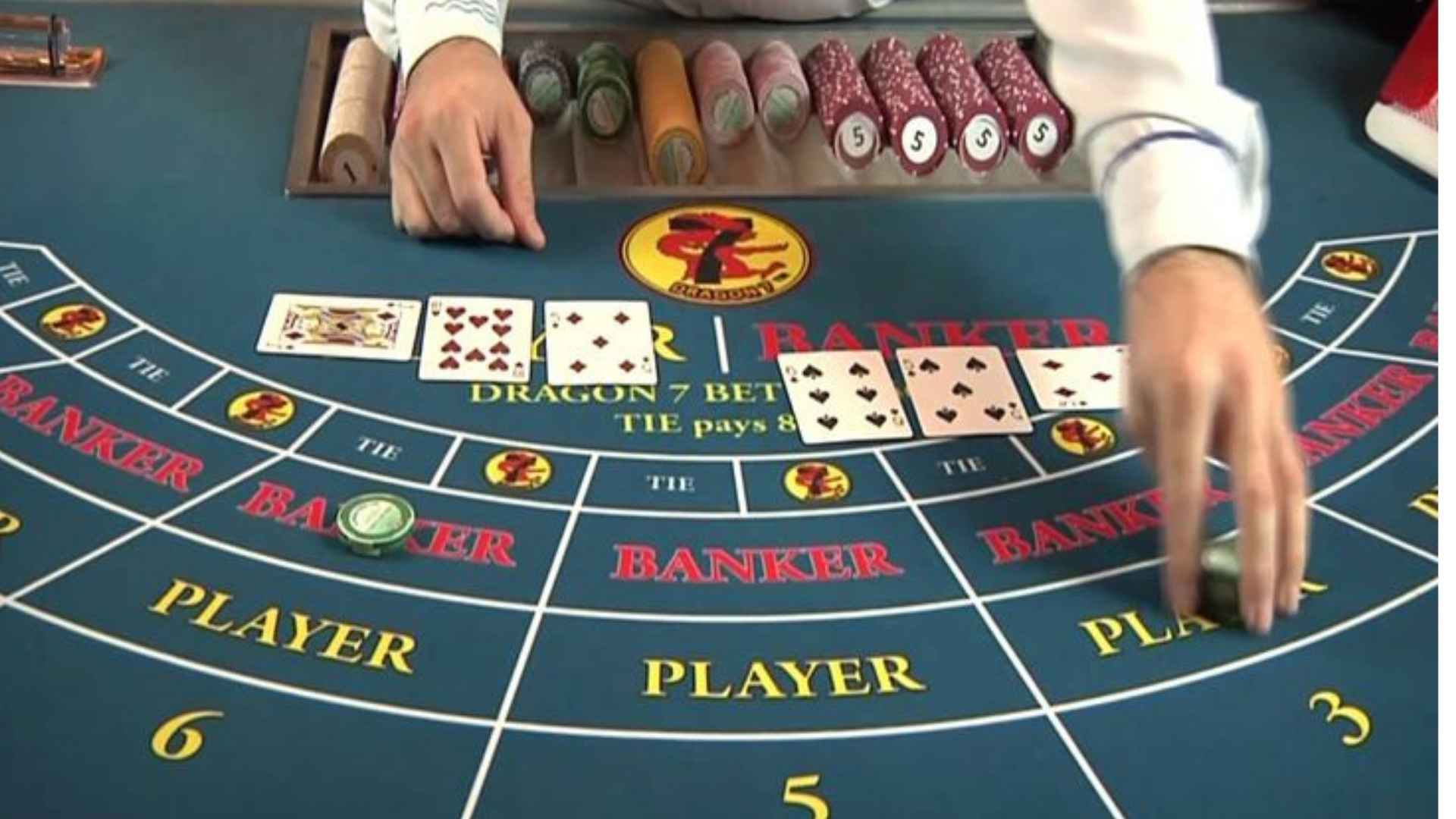
Smart Competitive Strategies for Baccarat Tournaments ...
Baccarat tournaments present a unique challenge that shifts the focus from beating the house to outperforming fellow players. To succeed in this competitive format, participants must employ deliberate tactics that leverage chip position and round tracking. Developing a structured approach is essential for navigating the shifting dynamics of the tournament leaderboard.
Understanding Table Dynamics and Chip Position
Unlike standard casino play where you act independently, a tournament requires constant awareness of your opponents' stacks. Knowing when to make a minimum bet or scale up depends heavily on the actions of the players ahead of you. Observing these chip movements ensures you do not exhaust your resources prematurely.
Position at the table also dictates how aggressive your strategy should be during a particular hand. Acting last provides crucial information about how much your rivals have risked, allowing you to react accordingly. Elite players often use this positional placement to mirror or counter their opponents' choices.
Strategic Stack Management Across Rounds
The early phase of any competition demands patience and a strong focus on capital preservation. Making large, uncalculated wagers early on can lead to sudden elimination before the final rounds begin. Maintaining a stable chip count allows you to remain competitive as the stakes increase.
As the tournament field narrows, adjusting your risk level becomes necessary to climb the leaderboard rankings. You can access specialized platforms like m88 asia login to study modern betting mechanics and refine your approach. Adapting your bet sizing based on the current field is critical for advancing to the final tables.
Advanced Wager Sizing and Contrarian Betting
Controlling your bankroll during high-stakes moments requires balancing caution with timely aggression. Incremental betting patterns help you stay within striking distance without risking your entire stack on a single round. Recognizing the exact moment to break this pattern is a hallmark of experienced players.
Contrarian betting serves as an excellent tactical tool when you need to catch up to a dominant table leader. If the leader wagers heavily on one side, placing a strategic bet on the opposite side can quickly close the gap. This approach requires precise tracking of the remaining hands in the shoe.
Maintaining Psychological Discipline Under Pressure
Reaching the final stage of a baccarat tournament introduces significant emotional stress that can impair your judgment. Successful competitors maintain strict mental control, focusing entirely on long-term probabilities rather than short-term losses. Consistency under pressure is what ultimately separates champions from casual participants.
Reviewing past tournament results and practicing specific scenario responses helps build the muscle memory required for victory. Every hand dealt delivers valuable information that refines your overall competitive instincts over time. Commitment to mastering these subtle adjustments will elevate your tournament outcomes significantly.
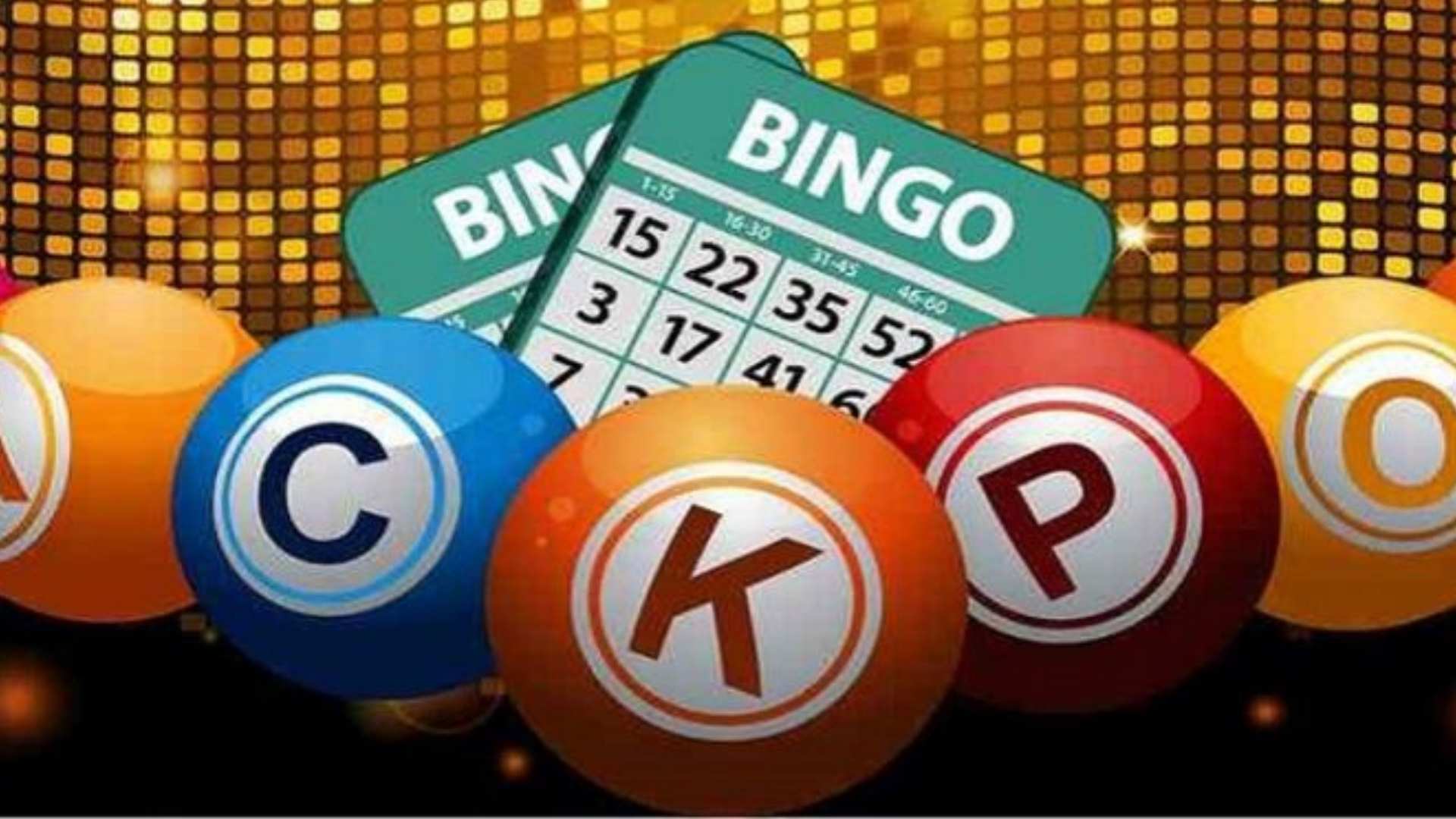
Reward Customization Through Randomization ...
The intersection of digital personalization and algorithmic allocation is reshaping how modern platforms engage their audiences. By blending the psychological appeal of unexpected outcomes with tailored content delivery, developers are creating highly unique user experiences. This modern approach moves away from traditional, rigid incentive systems to offer dynamic options that align with individual preferences.
The Evolution of Tailored Incentives
Traditional customization models often relied on static user profiles and predictable milestone markers to maintain long-term engagement. However, modern digital platforms are increasingly utilizing complex data models to deliver tailored experiences that adapt continuously. By understanding how the human brain processes uncertainty, designers can build systems that remain fresh and meaningful.
When users feel that an application directly understands their specific goals, their overall satisfaction increases significantly. This approach shifts the focus from repetitive rewards to a fluid framework where chance and personalization coexist seamlessly. Balancing these elements ensures that digital environments cater to diverse audiences without losing their competitive appeal.
The Role of Algorithmic Uncertainty
Modern game development and interactive systems rely heavily on algorithmic uncertainty to simulate the excitement of unpredictable growth. Incorporating probability theory into reward structures allows systems to generate surprise drops that feel personally relevant to the user's journey. This psychological mechanism triggers heightened engagement by transforming routine tasks into memorable moments of discovery.
Furthermore, developers must carefully design these algorithms to prevent user fatigue or feelings of unfairness. A transparent probability framework builds lasting trust, allowing participants to interact with software confidently. Enthusiasts seeking to explore diverse entertainment options can check the m88 asia login platforms to see how algorithmic probability functions within dynamic entertainment ecosystems.
Balancing Personal Choice and Chance
Achieving a sustainable equilibrium between user autonomy and randomization remains a core challenge for contemporary designers. While automated systems infer preferences based on active behavior history, individuals still value the ability to influence their progression paths. Successful loyalty programs address this by offering variable choices within a structured environment.
When a platform provides multiple personalized options alongside random incentives, it satisfies different user personas simultaneously. Casual participants enjoy the immediate satisfaction of surprise bonuses, while dedicated users appreciate the depth of skill-based milestones. This strategic combination drives continuous activity across various digital sectors.
The Future of Dynamic Engagement
As machine learning and predictive analytics continue to advance, the architecture behind variable reward systems will become even more sophisticated. Future platforms will likely move beyond simple historical tracking to anticipate user desires in real time. This evolution will allow randomization to feel entirely organic rather than mathematically forced.
Ultimately, the success of reward customization relies on maintaining a fair and ethical ecosystem that prioritizes long-term user trust. When developers focus on building meaningful, surprise-driven interactions, they create sustainable communities that stand out in a competitive digital market. The balance between predictable value and exciting uncertainty will remain central to digital product innovation.
How RNG Technology Supports Fair Competition ...
The integrity of modern esports and digital gaming depends heavily on the behind-the-scenes systems that govern in-game outcomes. At the heart of this operational framework is Random Number Generator technology, which ensures that every virtual event remains completely unbiased. Without these computational systems, maintaining a level playing field across global tournaments would be virtually impossible.
The Core Mechanics of Algorithmic Integrity
In competitive gaming, random number generation creates unpredictable variables that mimic real-world unpredictability. These sophisticated algorithms generate mathematical sequences that do not follow recognizable human patterns or repetitive cycles. This computational independence guarantees that every participant has an equal opportunity to succeed based purely on their immediate strategy.
By removing predictability, developers eliminate the possibility of players exploiting system patterns to gain unfair advantages. This foundational random structure ensures that complex match elements, such as item drops and critical hits, occur without structural bias. Consequently, the reliance on pure skill and tactical adaptability becomes the definitive factor in determining competitive outcomes.
Establishing Trust Through External Verification
To preserve consumer trust, gaming platforms must regularly subject their random calculation engines to rigorous third-party assessments. Independent testing laboratories carefully evaluate millions of numerical outputs to confirm that the mathematical distribution remains perfectly balanced. These strict compliance procedures offer transparent proof that the software operates free from internal or external manipulation.
A verifiable commitment to international auditing standards separates premier platforms from uncertified alternatives in the digital landscape. Enthusiasts looking for verified environments often seek out authorized portals like m88 asia login to ensure their gameplay takes place within a fully compliant framework. By choosing certified infrastructures, players protect themselves from unfair software behavior and uneven playing fields.
Preventing Collusion and Strategic Exploitation
One of the most significant threats to digital competition is the risk of participants predicting or manipulating match mechanics. Advanced random engines counteract this vulnerability by utilizing dynamic seeding values that change continuously in real time. This constant state of variance prevents bad actors from deploying reverse-engineering software to forecast upcoming game events.
Furthermore, secure implementation of these systems neutralizes internal security threats and potential data leaks. Because the upcoming numerical sequences are computationally impossible to determine in advance, match outcomes cannot be rigged beforehand. This technological barrier effectively safeguards tournament organizational staff and participating teams from bribery or collusion scandals.
The Future of Decentralized Fairness
As the gaming sector expands into cloud architectures and decentralized networks, the demand for highly advanced cryptographic verification grows rapidly. Emerging platforms are beginning to integrate cryptographic proofs that allow players to independently confirm the legitimacy of every in-game outcome. This evolution will shift the industry toward absolute transparency, where fairness is not just promised but mathematically demonstrable.
Balancing high-speed processing alongside top-tier algorithmic security remains a primary focus for modern software engineers. Future iterations of random generation systems will likely combine hardware-based entropy with cloud infrastructure to deliver flawless, instantaneous randomization. Ultimately, the constant refinement of this unseen technology will remain the cornerstone of legitimate global digital sportsmanship.

Sic Bo Rules and Dice Mechanics Combined ...
Sic Bo is an ancient Chinese dice game that has captured the attention of casino enthusiasts around the globe. While the elaborate table layout often looks intimidating at first glance, the underlying mathematical principles are remarkably straightforward. Understanding how the odds work can significantly enhance your appreciation of this fast-paced game of chance.
The Basics of Small and Big Wagers
The most popular options on the table are the Small and Big bets, which offer the most favorable mathematical advantage for participants. A Small wager wins when the total sum of the three dice falls between four and ten, excluding any matching outcomes. Conversely, a Big wager covers any total sum from eleven to seventeen, providing a steady and stable flow of action.
These two entry-level options are highly recommended for newcomers because they offer a balanced near-fifty-percent probability of winning. Many players utilize a secure portal like m88 asia login to observe these basic rounds in real time before committing their capital. Focusing on these high-probability areas helps conserve your budget while you familiarize yourself with the game mechanics.
Decoding Single and Double Number Probabilities
Moving beyond the simple even-money wagers, single number options allow you to predict a specific value appearing on the rolled dice. The payout scales progressively depending on whether your chosen number lands on one, two, or all three of the elements. This setup provides multiple paths to a successful round, although the house advantage is slightly higher than baseline bets.
Double wagers involve predicting that a specific pair of numbers will appear simultaneously after the container is shaken. While the potential return on your money increases to ten to one, the statistical likelihood drops to just over seven percent. Balancing these choices with your safer wagers is a crucial component of sound tactical planning.
Evaluating Risk and Reward on Total Sums
Total sum bets require you to forecast the exact combined value of the three dice, ranging anywhere from four to seventeen. Each individual total features unique payout odds that directly reflect the historical difficulty of hitting that precise combination. For instance, middle values like ten or eleven appear much more frequently than extreme values like four or seventeen.
The highest payouts on the layout belong to triple bets, where you wager that all three dice will display identical faces. Predicting a specific triple offers massive returns but also carries the steepest house advantage on the entire gaming board. Most experienced participants treat these high-risk areas as occasional entertainment rather than core pillars of their approach.
Practical Tips for Sustainable Sessions
Developing disciplined bankroll management is the single most important habit for maintaining long-term enjoyment at the tables. Setting clear spending limits before starting ensures that decisions remain logical rather than driven by temporary emotions. Splitting your total resources into smaller units per round helps maximize your playing time effectively.
Utilizing free digital demonstration versions is another excellent method to study the fast-paced flow without any financial pressure. Taking a few moments to review the payout charts printed directly on the felt surface will naturally boost your understanding over time. Ultimately, regular observation and patience are the best paths to demystifying the traditional system.
Sic Bo Rules and Dice Mechanics Combined ...
Sic Bo is an ancient Chinese dice game that has captured the attention of casino enthusiasts around the globe. While the elaborate table layout often looks intimidating at first glance, the underlying mathematical principles are remarkably straightforward. Understanding how the odds work can significantly enhance your appreciation of this fast-paced game of chance.
The Basics of Small and Big Wagers
The most popular options on the table are the Small and Big bets, which offer the most favorable mathematical advantage for participants. A Small wager wins when the total sum of the three dice falls between four and ten, excluding any matching outcomes. Conversely, a Big wager covers any total sum from eleven to seventeen, providing a steady and stable flow of action.
These two entry-level options are highly recommended for newcomers because they offer a balanced near-fifty-percent probability of winning. Many players utilize a secure portal like m88 asia login to observe these basic rounds in real time before committing their capital. Focusing on these high-probability areas helps conserve your budget while you familiarize yourself with the game mechanics.
Decoding Single and Double Number Probabilities
Moving beyond the simple even-money wagers, single number options allow you to predict a specific value appearing on the rolled dice. The payout scales progressively depending on whether your chosen number lands on one, two, or all three of the elements. This setup provides multiple paths to a successful round, although the house advantage is slightly higher than baseline bets.
Double wagers involve predicting that a specific pair of numbers will appear simultaneously after the container is shaken. While the potential return on your money increases to ten to one, the statistical likelihood drops to just over seven percent. Balancing these choices with your safer wagers is a crucial component of sound tactical planning.
Evaluating Risk and Reward on Total Sums
Total sum bets require you to forecast the exact combined value of the three dice, ranging anywhere from four to seventeen. Each individual total features unique payout odds that directly reflect the historical difficulty of hitting that precise combination. For instance, middle values like ten or eleven appear much more frequently than extreme values like four or seventeen.
The highest payouts on the layout belong to triple bets, where you wager that all three dice will display identical faces. Predicting a specific triple offers massive returns but also carries the steepest house advantage on the entire gaming board. Most experienced participants treat these high-risk areas as occasional entertainment rather than core pillars of their approach.
Practical Tips for Sustainable Sessions
Developing disciplined bankroll management is the single most important habit for maintaining long-term enjoyment at the tables. Setting clear spending limits before starting ensures that decisions remain logical rather than driven by temporary emotions. Splitting your total resources into smaller units per round helps maximize your playing time effectively.
Utilizing free digital demonstration versions is another excellent method to study the fast-paced flow without any financial pressure. Taking a few moments to review the payout charts printed directly on the felt surface will naturally boost your understanding over time. Ultimately, regular observation and patience are the best paths to demystifying the traditional system.

Best Bridge Games for Weekend Fun ...
Spending the weekend engaging in a stimulating mind sport can be both incredibly relaxing and intellectually rewarding for card enthusiasts of all generations. Traditional contract bridge offers a fantastic way to unwind after a busy week while simultaneously keeping your strategic thinking and memory sharp. Whether you choose to play online or gather around a physical table, selecting the right game variant is key to maximizing your weekend enjoyment.
Casual Social Bridge Deals
For a laid-back weekend experience at home, casual social bridge is an ideal choice that prioritizes friendly interaction over intense competitive pressure. This specific format allows players to experiment with new bidding strategies and convention cards without worrying about official tournament rankings. It serves as a wonderful opportunity to connect deeply with family members and enjoy lighthearted conversations over a deck of cards.
Gathering a dedicated group of four players creates a perfect social dynamic for a Saturday afternoon lounge or a Sunday evening routine. You can easily modify standard scoring rules to accommodate varying skill levels among your weekend guests and keep the atmosphere welcoming. Many modern enthusiasts find that accessing a reliable platform like m88 asia login adds an exciting layer of digital card game entertainment to their regular leisure hours.
Fast-Paced Mini Bridge
If you prefer a quicker alternative that skips the complex auction phase entirely, mini bridge offers immediate card-playing action for your days off. This variation focuses heavily on the mechanics of declarer play and defensive strategies, making it highly accessible for beginners and younger participants. It allows your group to complete multiple hands in a short period, keeping the overall energy level lively and engaging.
Experienced players also utilize this fast version to practice their card counting skills and distribution deduction techniques in a rapid environment. The simplified structure removes the barrier of memorizing advanced bidding systems, allowing everyone to jump right into the tactical fun. It provides a quick but satisfying mental workout that fits perfectly between other scheduled weekend activities.
Online Duplicate Tournaments
For those seeking a genuine competitive thrill on their days off, online duplicate bridge tournaments deliver an authentic and rigorous challenge. In this duplicate format, every participant plays the exact same set of cards, which completely eliminates the element of luck from the final standings. You can compare your analytical performance directly against hundreds of other passionate players from around the world.
Many global digital platforms host special weekend events featuring flexible schedules that can match your personal relaxation routine perfectly. Participating in these virtual matches helps sharpen your partnership coordination and communication skills even when your teammate lives miles away. It offers a structured way to test your skills under pressure and measure your overall strategic progress over time.
Chicago Style Scoring Formats
Chicago bridge is another excellent variation specifically designed for quick weekend sessions with rotating partners and unpredictable outcomes. Unlike traditional rubber bridge, a full game of Chicago lasts exactly four deals, ensuring that no single round drags on for too long. This highly predictable timeframe makes it incredibly easy to manage when hosting a small card party at your house.
The unique scoring system rewards successful vulnerable contracts heavily, which naturally encourages bold and adventurous bidding decisions from the start. It keeps all participants highly engaged throughout the session since the leaderboard standings can shift dramatically with every single deal. Implementing this classic format guarantees a lively, fun, and memorable gaming atmosphere for your weekend entertainment.

Mobile Card Games with Skill-Based Matches ...
The mobile gaming arena has witnessed a dramatic shift as card games pivot away from pure luck toward competitive, skill-based mechanics. Modern players demand intellectual challenges where tactical foresight and deep deck comprehension determine the winner rather than random number generation. This evolution has fostered a thriving environment where strategic mastery takes center stage on handheld devices.
The Mechanics Driving Skill-Based Design
Unlike traditional card titles that rely heavily on the luck of the draw, contemporary mobile card games emphasize controlled variance and resource management. Players must navigate intricate systems where positioning, timing, and turn-based priority dictate the momentum of each match. By introducing predictable resource curves, developers ensure that victory belongs to the player who plans several steps ahead.
Key mechanics are carefully balanced to reward long-term proficiency over short-term fortune. Players receive equal opportunities to express their tactical abilities through complex counter-plays and precise resource allocation. This sophisticated framework transforms every match into a true test of mental acuity and adaptability.
Advanced Deck Customization and Strategy
Achieving success in this competitive landscape requires an analytical approach to building and refining your digital deck. Instead of simply collecting high-rarity cards, competitive players focus heavily on synergy, card value curves, and structural flexibility. A well-designed deck serves as a versatile toolkit capable of adapting to shifting opponent archetypes in real time.
To test these intricate strategies against real opponents, finding an optimized portal like the m88 asia login platform can grant players seamless entry into competitive environments. Engaging with specialized systems allows gamers to test their customized decks against balanced opposition. Refining your deck structure based on match data is essential for maintaining a high win rate.
The Rise of Fair Matchmaking Systems
To preserve the integrity of skill-based competition, developers utilize highly sophisticated matchmaking algorithms. These digital systems analyze extensive performance metrics to ensure that players are paired with opponents of similar capability. This prevents one-sided domination and keeps every competitive encounter engaging and fair.
Balanced matchmaking creates an ideal environment for tracking personal growth and technical progression over long periods. When every match presents a balanced challenge, players are consistently motivated to eliminate mistakes and refine their playstyles. The resulting competitive ecosystem ensures that climbing the ranked ladder feels deeply rewarding.
Community Evolution and Competitive Leagues
The dedication to competitive fairness has given rise to global tournaments, seasonal leagues, and active strategy forums. Gamers regularly unite online to share meta-analyses, break down patch updates, and discuss advanced tactical concepts. This community-driven learning rapidly accelerates the overall skill curve of the entire player base.
As mobile esports continue to mature, the emphasis on skill-based matches guarantees a bright and sustainable future for the genre. Regular balance updates ensure that the competitive landscape remains diverse and free from stale, repetitive strategies. Embracing the community dynamic is the final step toward true card mastery.

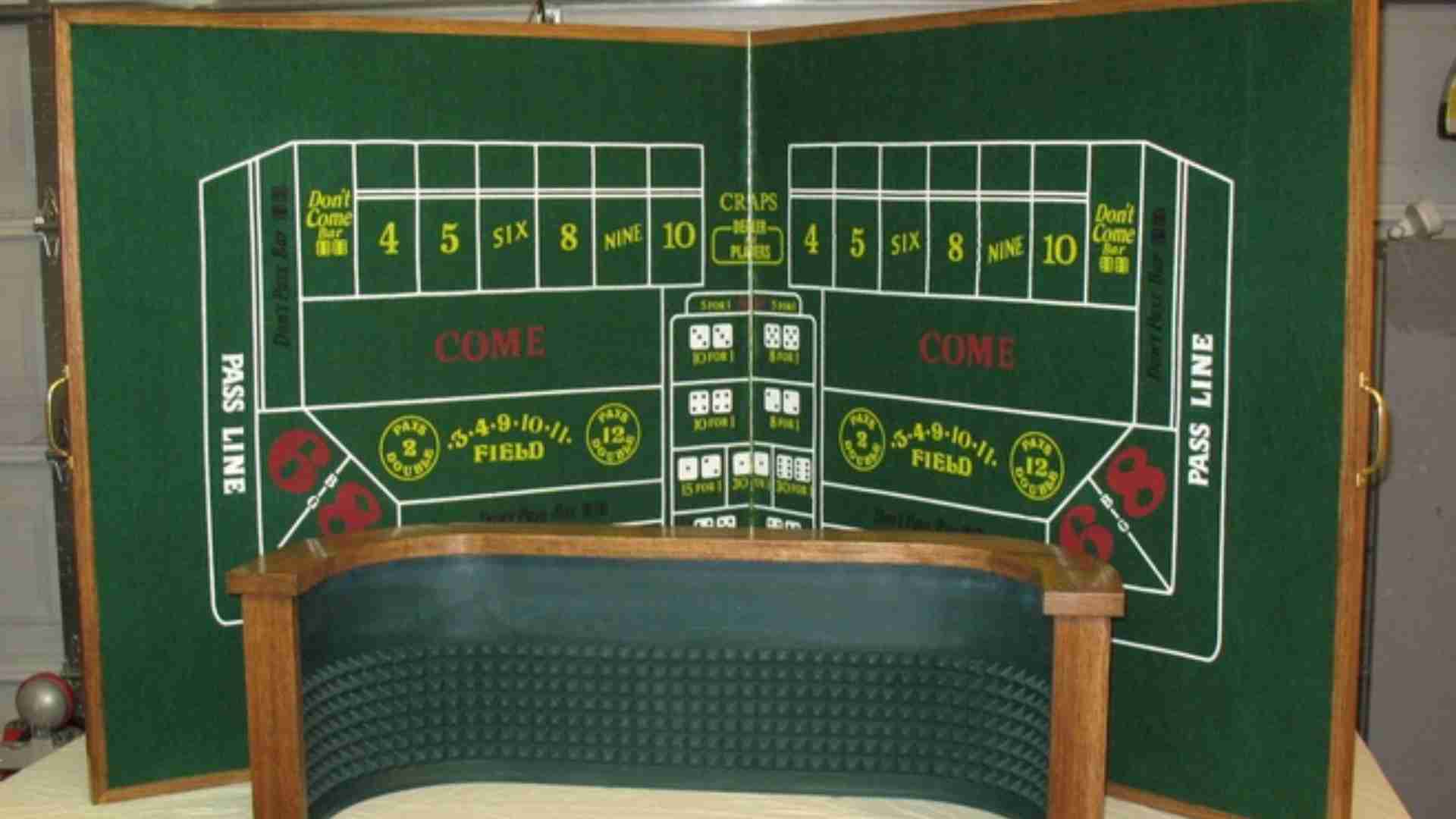
Maximizing Entertainment While Playing Craps ...
Walking up to a lively craps table is often one of the most thrilling experiences you can discover within a modern casino environment. The collective energy of players loudly cheering for a hot shooter creates an unmatched atmosphere filled with genuine excitement and camaraderie. By focusing intentionally on the entertainment aspects of the game rather than focusing solely on winning money, anyone can significantly elevate their enjoyment.
Embracing the Vibrant Social Atmosphere
Craps is inherently designed to be a highly social community game where most participants place wagers together alongside the active shooter. This structural alignment means that when the dice favor the table, the entire group celebrates a shared victory instantly. Engaging in friendly conversation with your table neighbors and celebrating these joint wins enhances the entertainment value immensely.
Unlike solitary gambling options such as slot machines, the dice arena thrives heavily on positive human interactions and high energy levels. Maintaining a lighthearted attitude and actively supporting fellow players helps sustain a vibrant and welcoming environment for everyone present. For enthusiasts looking to study layout rules safely from home, accessing a trusted platform via the m88 asia login link offers a convenient way to build confidence before playing live.
Choosing Smart Low-Variance Wagers
To keep the entertainment flowing without experiencing unnecessary stress, prioritizing simple and low-variance wagers is an excellent strategy. Placing fundamental bets on the Pass Line or the Come box keeps you fully involved in the ongoing action for much longer periods. These primary options carry a remarkably low house edge, which naturally extends your playing time and maximizes your value.
It is wise to avoid the complicated proposition wagers located in the center of the table layout during your casual sessions. While the massive payout ratios attached to those specific numbers look highly tempting, they carry a steep statistical disadvantage. Sticking to basic, steady choices ensures a much more predictable and highly satisfying pace of gameplay over the evening.
Managing Time and Bankroll Limits
True casino entertainment relies heavily on maintaining complete personal control over your time and financial boundaries throughout the day. Establishing a strict entertainment budget before stepping onto the gaming floor prevents impulsive decisions and guarantees the experience remains positive. Walking away once your pre-determined limits are reached ensures that you leave the casino with your good spirits intact.
Taking frequent structural breaks away from the noisy table layout helps clear your thoughts and maintains a healthy gaming perspective. Splitting your total session bankroll into smaller, manageable segments protects your funds from sudden cold streaks. This structured approach ensures that your participation remains a fun leisure activity rather than a stressful financial burden.
Learning the Etiquette for Extra Fun
Understanding standard table etiquette is another powerful way to boost your comfort level and overall amusement during a live game. Simple habits such as keeping your hands off the felt when the shooter rolls prevent accidental disruptions and keep the game moving smoothly. Respecting the dealers and following their instructions builds mutual respect and fosters a friendly relationship at the table.
When you feel comfortable with the unspoken rules of the game, you can fully immerse yourself in the theatrical drama of every dice throw. A smooth session free from procedural mistakes allows you to focus entirely on the fun and rhythmic flow of the game. Ultimately, treating the craps table as a premium entertainment stage guarantees an unforgettable and deeply rewarding casino experience.

The Educational Value of Probability Games ...
Integrating games of chance into contemporary classrooms has transformed how educators teach abstract mathematical principles. By engaging with interactive scenarios, students can visualize complex statistical concepts that otherwise seem intimidating in traditional textbooks. This experiential method fosters a deeper appreciation for mathematical reasoning from an early age.
Demystifying Risk and Uncertainty
Probability games provide a practical environment where learners can safely explore the nature of unpredictable outcomes. Instead of memorizing static formulas, students actively experience how sample sizes affect statistical averages over multiple iterations. This hands-on observation helps clarify the difference between short-term luck and long-term predictable trends.
Understanding these variables allows individuals to make better-informed choices in everyday situations involving risk analysis. Through repetitive play, participants develop an intuitive grasp of event likelihoods and standard deviations. Consequently, abstract theory becomes a practical tool for navigating real-world scenarios smoothly.
Enhancing Analytical Thinking Skills
Engaging with probability challenges forces players to analyze changing conditions and adapt their strategies dynamically. Learners must constantly evaluate their assumptions, calculate updated odds, and refine their subsequent actions based on empirical data. This continuous cognitive feedback loop significantly sharpens critical thinking and logical reasoning abilities.
Many digital systems build on these fundamental instructional frameworks to deliver highly engaging learning environments. When tracking digital random outcomes, using a dedicated portal like the m88 asia login interface helps students observe how software algorithms simulate mathematical randomness. Analyzing these structured platforms offers excellent insights into computational probability methods.
Promoting Safe Experiential Learning
One of the greatest benefits of utilizing educational games is creating a risk-free setting for experimentation. Students can experience the consequences of poor statistical decisions without facing real-world financial or emotional setbacks. This security encourages curious minds to test diverse strategies and discover hidden mathematical patterns independently.
Furthermore, structured play highlights the social and historical significance of probability theories throughout human development. Learners discover how early mathematicians developed these tools specifically to understand game outcomes and economic trends. Connecting history with interactive play makes the educational journey far more comprehensive and memorable.
Long-Term Benefits for Aspiring Minds
Developing strong probabilistic thinking skills early prepares students for advanced studies in data science, economics, and engineering. The ability to interpret charts and evaluate statistical risks is highly valued across numerous modern professions. Educational games lay a robust foundation for these critical career competencies seamlessly.
Ultimately, transforming math education into an enjoyable activity ensures high student engagement and knowledge retention. When learning feels like play, academic barriers dissolve, and complex ideas become accessible to everyone. Embracing these interactive tools is a vital step toward modernizing standard mathematics curricula worldwide.
Semua artikel sudah ditampilkan.