Tag: https://www.m88linkmy1.com
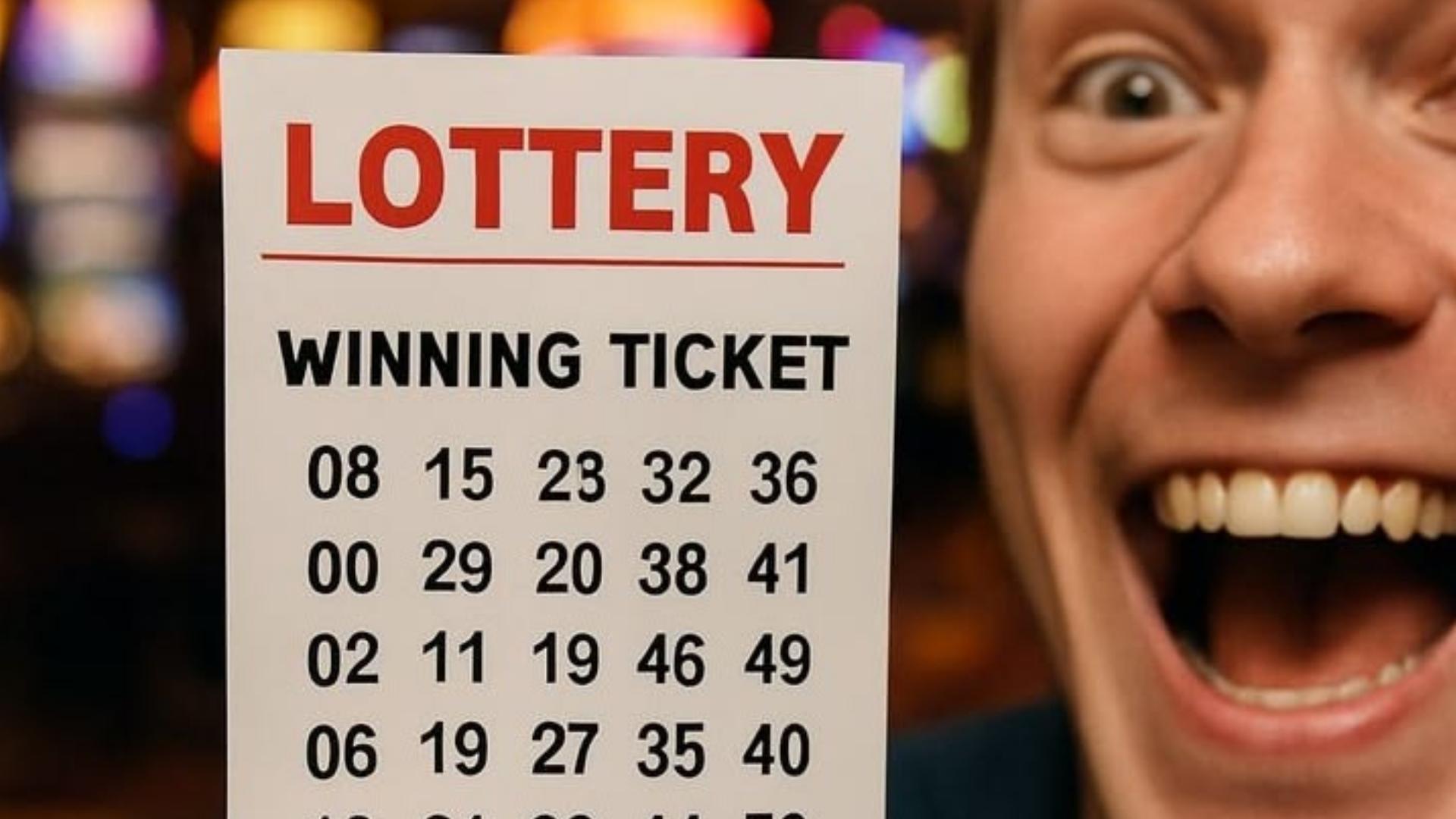
Uncertain Reward Mechanics And Their Effect On Player...
Modern game design frequently relies on unpredictable payout structures to elevate user engagement and heighten emotional investment. By varying the frequency, quality, and delivery of in-game prizes, developers can turn routine activities into memorable experiences. Understanding how these uncertain reward mechanics affect player satisfaction is essential for crafting balanced and long-lasting digital ecosystems.
The Psychology of Variable Feedback Loops
Human cognition responds powerfully to unpredictable outcomes, which stimulate heightened curiosity and neurological anticipation. When a user completes a task without knowing the exact prize in advance, the excitement of discovery amplifies their overall emotional response. This variable reinforcement schedule keeps interactions engaging, preventing standard gameplay loops from becoming monotonous over time.
However, the effectiveness of variable outcomes depends heavily on maintaining a sense of fairness. If the odds feel overly restrictive or entirely unrewarding, anticipation can quickly degrade into fatigue. Designing systems that offer meaningful intermediate bonuses alongside larger prizes ensures that user motivation remains consistently high.
How Unpredictable Distribution Shapes Retention
Long-term retention often relies on the delicate balance between effort and continuous discovery. When progression tracks integrate dynamic surprises, users feel compelled to return and explore alternate possibilities. Seamless access across mobile devices further enhances this dynamic, letting players test their strategies anywhere using platforms like the m88 app during daily routines.
Furthermore, unpredictable elements encourage players to experiment with different playstyles and tactics. Because specific rewards cannot be guaranteed every turn, users adapt their approaches to maximize efficiency across various scenarios. This ongoing flexibility prevents gameplay from feeling like a rigid chore, directly boosting overall satisfaction levels.
Balancing Randomness with Earned Progression
While chance-based bonuses add novelty, relying solely on random generation can alienate dedicated participants. Players appreciate feeling a direct connection between their personal skill and their eventual accomplishments. Integrating pity thresholds or guaranteed milestone payouts provides a critical safety net that preserves user agency.
Achieving equilibrium requires pairing probabilistic mechanisms with clear, linear progression goals. When players know that persistent effort guarantees advancement, surprise bonuses serve as delightful enhancements rather than mandatory hurdles. This dual structure protects the user experience from negative volatility while retaining the thrill of the unknown.
The Evolution of Adaptive Reward Frameworks
As gaming technology advances, reward mechanics are becoming far more responsive to individual behavior and real-time interaction. Modern systems can dynamically analyze player metrics to calibrate distribution frequency, ensuring that engagement stays within optimal ranges. This custom tailored approach helps maintain positive sentiment across both casual and dedicated player segments.
Ultimately, uncertain reward mechanics will remain a cornerstone of modern digital entertainment when applied with transparency and care. By balancing unpredictable surprises with robust progression safeguards, developers foster deep user satisfaction and long-term loyalty across diverse gaming platforms.

How To Adapt Your Bridge Strategy During A...
Adapting your strategy during a bridge match is the mark of a skilled and flexible card player. While entering a game with a clear plan is essential, unexpected bidding actions and surprising card distributions often force players to change tactics mid-hand. Learning how to read the table dynamics and adjust your approach ensures you stay competitive even when your initial plan falls through.
Evaluating Table Signals and Opponent Tendencies
The first step in mid-game adaptation is paying close attention to early bidding sequences and opening leads. Opponents often reveal the distribution of their suits or the strength of their hands through subtle bidding choices. Recognizing these patterns allows you to recalculate probabilities and adjust your trick-taking targets before making critical errors.
As the session progresses, observing how aggressive or conservative your opponents play provides valuable tactical context. If an opponent tends to overbid, you might shift to a more defensive stance and look for doubling opportunities. Remaining observant helps you stay one step ahead throughout changing match conditions.
Shifting Between Aggressive and Defensive Play
Knowing when to pivot from an offensive mindset to a defensive posture can dramatically affect your overall match score. When a contract appears difficult to fulfill due to a bad suit break, minimizing your trick losses becomes more important than forcing a win. Switching gears quickly prevents minor setbacks from turning into major score penalties.
On defense, dynamic adjustment requires reading your partner’s signals accurately to disrupt the declarer's plan. Players managing their digital strategy often use a mobile m88 app to stay sharp and analyze card variations on the go. Timely shifts in defensive strategy can disrupt even the most experienced declarers.
Managing Risk Based on Tournament Scoring
Your willingness to adapt should also depend heavily on whether you are playing matchpoints or IMPs scoring formats. In matchpoint games, fighting for a single extra trick justifies taking calculated risks because every trick impacts your percentage. Conversely, team matches require a safer approach that prioritizes securing the baseline contract.
Re-evaluating the current match standing helps determine how much risk is necessary on remaining hands. If your team is trailing, adopting more unconventional bidding paths or bolder opening leads can create much-needed swing opportunities. Tailoring your risk level to the match format keeps your strategic adjustments effective.
Maintaining Focus and Partnership Harmony
Successful adaptation relies heavily on clear, trusting communication with your bridge partner throughout the match. When a strategy shift is required, both partners must stay aligned through standard signals and consistent bidding conventions. Misunderstandings during a mid-game pivot can lead to costly unforced errors.
Finally, keeping an even temperament after an unexpected turn of events ensures clear decision-making for future boards. Discarding failed tactics without frustration allows you to focus entirely on the hand at hand. Flexibility combined with emotional control ultimately leads to steady improvement and consistent bridge performance.